
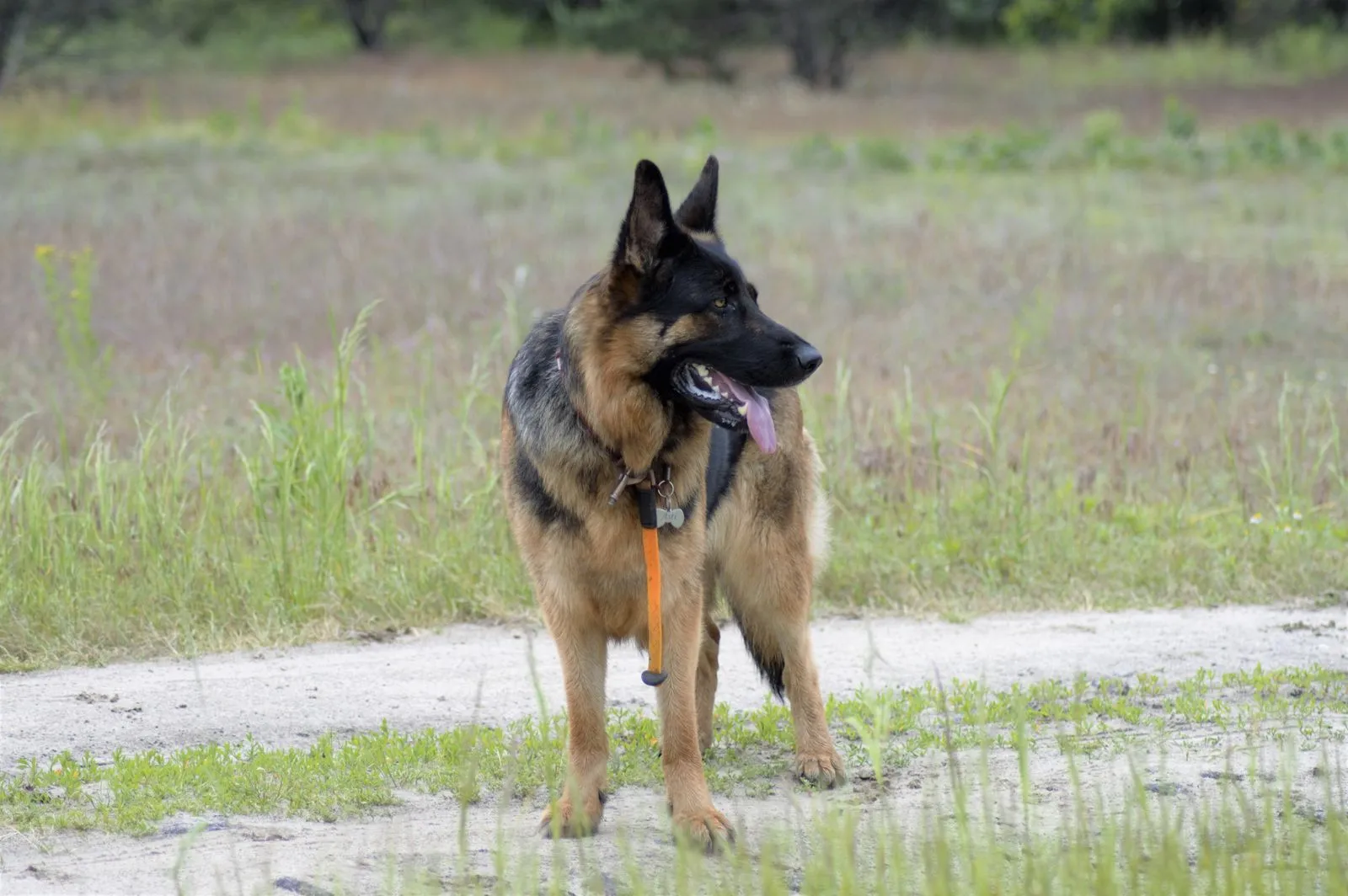
Retirement changes more than a working dog’s schedule. A dog used to clear cues, purposeful tasks, and regular activity may find home life unfamiliar at first. Some settle quickly; others need time to learn that they no longer have to stay on duty. A predictable routine, plenty of rest, and low-pressure ways to explore can make the transition easier. Let your dog’s comfort and behavior guide the pace, and build a new daily rhythm one small step at a time.
Build a Predictable Daily Rhythm
Keep meals, walks, bathroom breaks, and bedtime at roughly consistent times. A familiar pattern helps your dog anticipate what comes next without needing constant direction. Start with a simple schedule that fits your household, then adjust it based on the dog’s energy, health, and response. Consistency matters more than packing the day with activities.
Use clear, familiar cues when they help, but avoid asking for work-like focus throughout the day. Give your dog a comfortable place to relax between activities. If household routines change often, make transitions easier with calm signals, such as offering a bed or guiding the dog to a quiet room before visitors arrive.
Make Rest Part of the Plan
A retired dog may need to recover from years of demanding work, travel, or alertness. Provide a soft, quiet resting spot away from busy walkways, loud appliances, and frequent interruptions. Let the dog choose whether to nap nearby or take space. Avoid waking or handling a resting dog unless necessary, and teach household members to respect the dog’s bed as a no-bother zone.
Watch for signs that activity is too much, such as lingering fatigue, reluctance to move, or increased irritability. Keep early outings short and low-key, especially if the dog is adjusting to a new home. For pain, mobility changes, or persistent sleep difficulties, consult a veterinarian rather than assuming these are simply part of retirement.
Offer Enrichment Without Pressure
Enrichment gives a dog satisfying ways to use its senses and make choices. Try scattering part of a meal for sniffing, offering a safe food puzzle, or taking a relaxed walk where the dog can pause and investigate. Introduce one activity at a time and keep it easy enough to succeed. Stop if your dog seems worried, frustrated, or tired.
Not every retired working dog wants the same activities. Some enjoy gentle training games; others prefer sniffing, chewing, or simply watching the world from a comfortable spot. Keep sessions brief and reward curiosity rather than demanding precise performance. The goal is a good experience, not proving that the dog can still complete a task.
Let Trust Grow at the Dog’s Pace
A new home brings unfamiliar people, sounds, surfaces, and expectations. Give your dog room to observe before inviting interaction. Use calm movements, offer treats without reaching over the dog, and allow the dog to approach when ready. Set up a quiet retreat where visitors and children know not to follow.
Progress may come in small steps, and a difficult day does not erase earlier gains. Keep notes on what helps your dog relax and what seems to cause stress, then adjust the environment. If fear, guarding, or distress continues or intensifies, ask your veterinarian or a qualified, reward-based behavior professional for guidance.
A retired working dog does not need a packed schedule to have a fulfilling life. Steady routines, protected rest, gentle enrichment, and patient handling help create a sense of safety at home. Notice what your dog enjoys, respect signs of fatigue, and make changes gradually. For individual transition guidance, contact Second Shift Dogs.